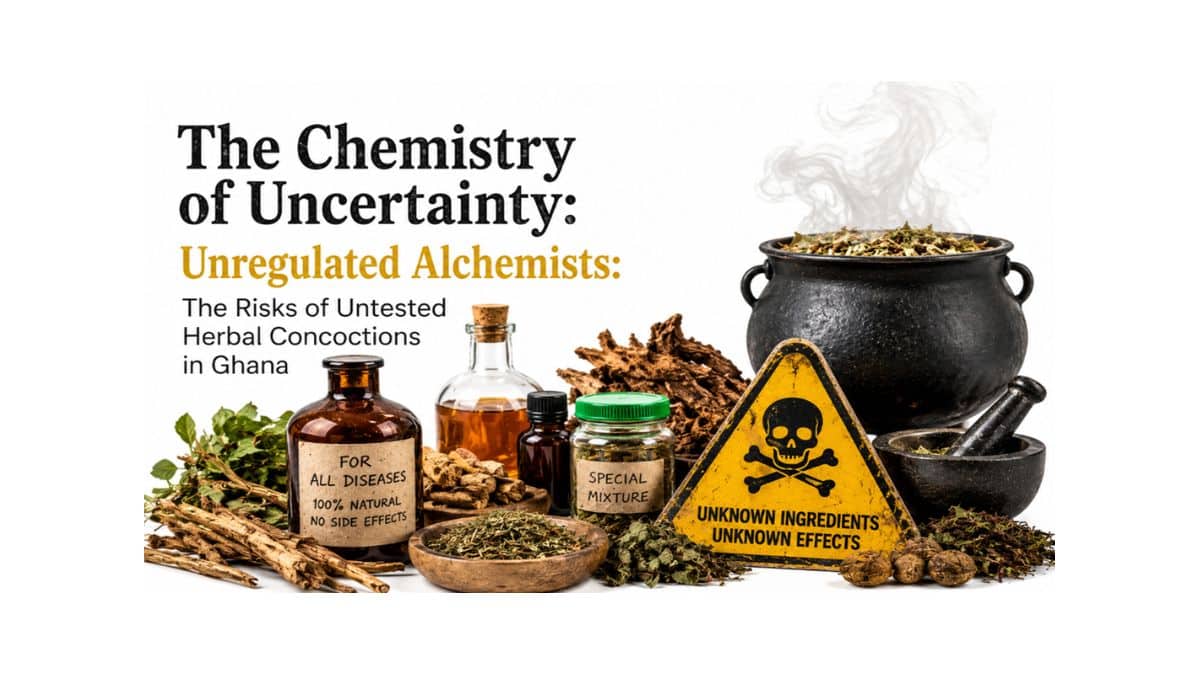
The use of roots, barks, and leaves for medicinal purposes is a longstanding practice in Ghana. However, there is a significant chemical distinction between scientifically standardized herbal extracts and unregulated preparations produced outside controlled environments.
This section examines the chemical composition of unregulated herbal medicines. From the perspective of health informatics and toxicology, the primary risk associated with these products is the impact of unrefined and untested substances on the body’s internal chemistry.
The Dosage Dilemma: Variability is the Enemy
Pharmaceutical drugs are characterized by consistency in dosage. For example, a 500mg tablet of paracetamol reliably contains the specified amount of active ingredient. In contrast, unregulated herbal preparations often lack this level of standardization.
The concentration of active phytochemicals in plants varies based on factors such as soil quality, harvest timing, and extraction method. Without laboratory standardization, the potency of herbal preparations can fluctuate, resulting in inconsistent dosing and potential safety risks.
In data analytics, variance refers to inconsistency in measured values. In the context of unregulated medicine, high variance in dosage can result in therapeutic failure if the dose is insufficient, or acute toxicity if the dose is excessive, even within the same batch of product.
Expert Perspectives: Global and Local Implications
Clinical experts worldwide have highlighted the risks associated with these preparations. Dr. Samuel Asamoah, a Doctor of Pharmacy in the United States, asserts that insufficient scientific rigor leads to a cascade of health complications.
” The major issues associated with the unregulated herbal medicines in Ghana in themselves definitely cause other health issues in patients,” Dr. Asamoah notes. “There are no proper clinical trials to ascertain dosing for different age groups, unhealthy preparation environments, improper labeling, and no proper information about side effects, drug-drug, drug-disease, or drug-food interactions. All these could be detrimental to customers’ health. The FDA should be more stringent in its regulations on both herbal and alcoholic beverages.”

This concern is echoed by practitioners within Ghana’s healthcare system. Dr. Kyei Michael Kwaku, a Medical Officer and General Practitioner in Ghana, cautions that the lack of structured data on these medicines endangers patients.
“Dr. Kyei highlights that the major issues associated with unregulated herbal medicines in Ghana can lead to additional health complications for patients. According to Dr. Kyei, “Without proper information on side effects and interactions, these preparations can be detrimental. We need more stringent regulations to protect the public.”

Heavy Metals and Hidden Contaminants
Public health screenings of local herbal products have identified the presence of heavy metals. This contamination is often linked to harvesting herbs near mining sites or processing them in industrial containers not intended for food use, which can introduce toxic elements into the final product.
Lead and Mercury: These are frequently found in “under-the-counter” preparations. They act as neurotoxins, damaging the nervous system and brain function over time.
Arsenic: Often found in contaminated groundwater used to boil herbs, arsenic is a known carcinogen.
Aflatoxins: When herbs are stored in damp, unhygienic conditions, molds produce aflatoxins, which are primary drivers of liver cancer in sub-Saharan Africa.
Acute Organ Failure Associated with Unregulated Herbal Products
The liver and kidneys serve as the body’s primary organs for metabolizing and eliminating substances. Consumption of highly concentrated, untested herbal preparations can exceed the capacity of these organs to process toxins, increasing the risk of organ damage.
Hepatotoxicity (Liver Damage): Certain alkaloids found in unregulated plants can cause “toxic hepatitis,” where the liver cells become inflamed and die.
Nephrotoxicity (Kidney Damage): The kidneys must filter out the heavy metals and complex chemical compounds. When these concentrations are too high, it leads to Acute Tubular Necrosis, a condition where the kidney’s filtering tubes are destroyed, leading to sudden renal failure.
The FDA Barrier: Why Testing Matters
The Ghana Food and Drugs Authority (FDA) does not exist to stifle tradition; it exists to validate safety. A product that passes FDA testing has been screened for:
Microbial load (bacteria and fungi).
Heavy metal concentration.
Toxicity levels in animal models (LD50 tests).
Bypassing FDA testing introduces products to the public without adequate safety evaluation, increasing the risk of adverse health outcomes.
Actionable Advice for the Public
- Demand Lab Labels: If a bottle does not list its ingredients, specific dosage, and an FDA registration number, do not consume it.
- Beware of Interactions: Always inform your clinical doctor if you are taking herbal supplements, as they can dangerously interact with prescribed medications.
- Check the Environment: Avoid buying “bitters” or tonics from mobile hawkers where storage temperatures are high because heat can turn a remedy toxic.
Next Week
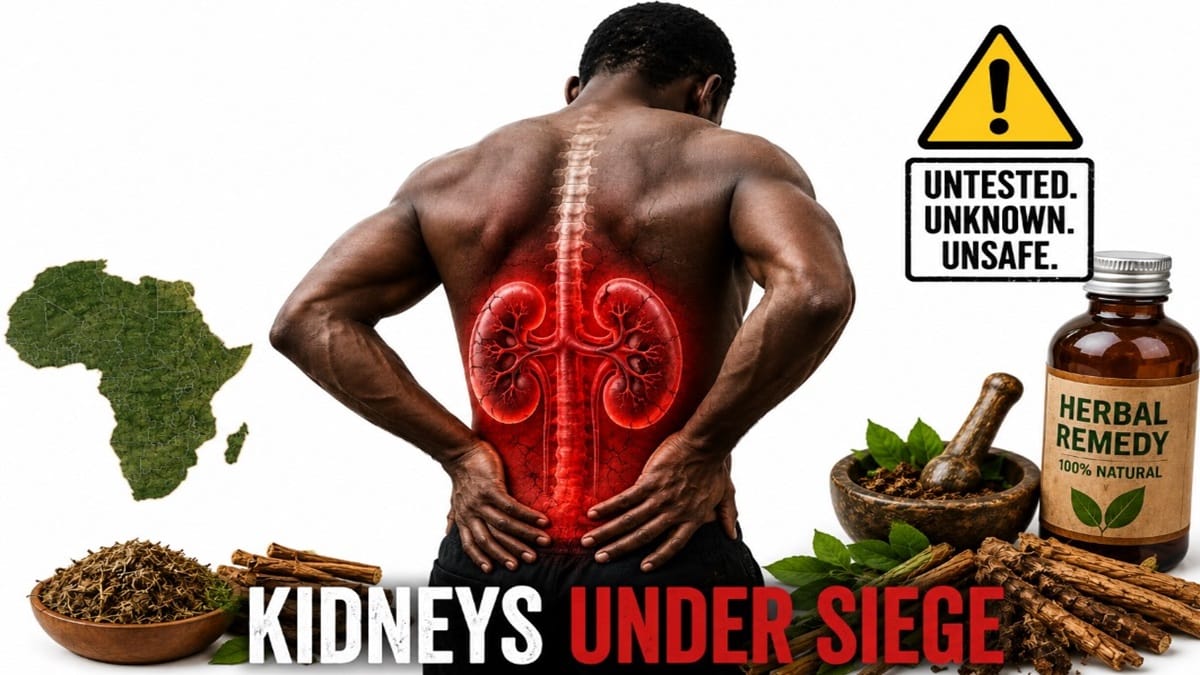
We look at the clinical aftermath in “The Kidneys Under Siege,” featuring data from Ghana’s leading nephrology units on the rising toll of herbal-induced renal failure..
By Michael Abisa
May 15, 2026
The author is a Public Health Expert with a Master of Public Health, a Master of Health Informatics, and a Doctorate in Data Analytics