By Michael Abisa
May 9, 2026
Traditional herbal medicine constitutes a significant component of healthcare in Ghana. Estimates indicate that approximately 70% of the population uses herbal preparations as their primary source of healthcare. Recently, there has been an increase in the promotion of so-called ‘Universal Remedies,’ which are marketed as treatments for a wide range of conditions, including chronic diseases and non-medical concerns.
Analysis of available data on these products indicates significant public health concerns. While traditional medicine is recognized and regulated under the Traditional Medicine Practice Act, 2000 (Act 575), the increasing number of unlicensed practitioners has contributed to challenges in ensuring accurate clinical diagnosis and safe treatment.
The Myth of the “Cure-All”
A key risk associated with unregulated remedies is the way they are marketed. Effective medical practice, whether allopathic or herbal, is based on differential diagnosis, which involves distinguishing one disease from others with similar clinical presentations.
For example, a persistent headache may indicate malaria, hypertension, or a neurological condition. Without access to appropriate diagnostic tools, some unlicensed practitioners may prescribe non-specific remedies such as ‘blood tonics’ or ‘body cleansers,’ rather than addressing the underlying cause.
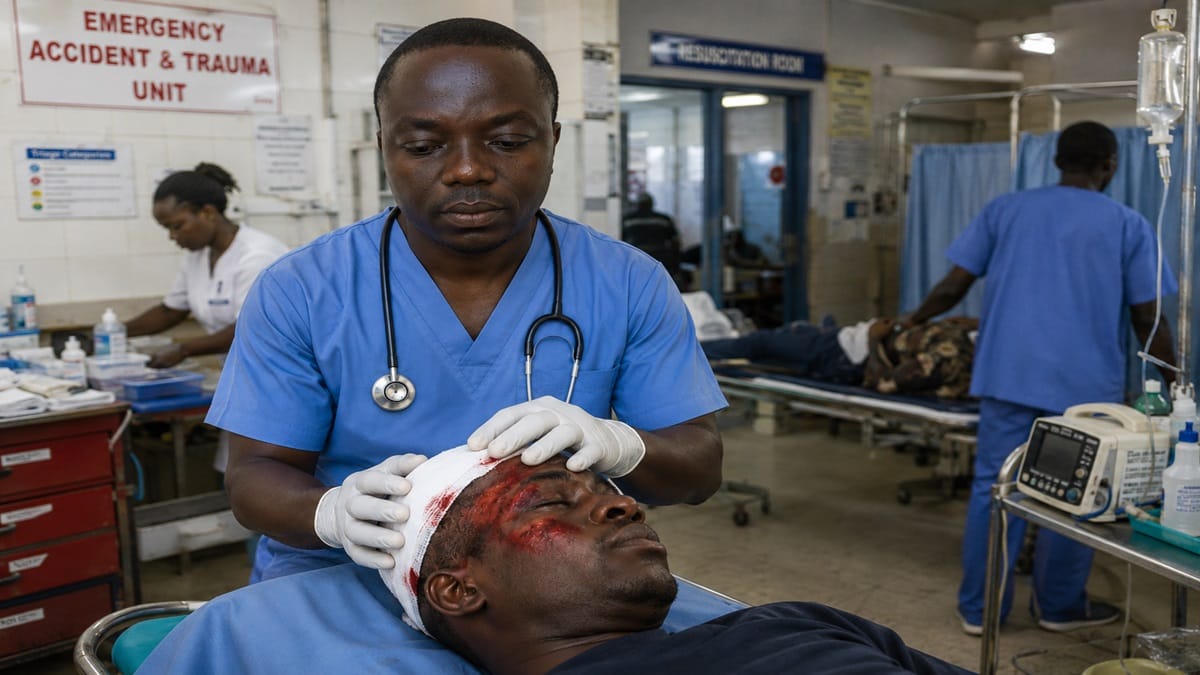
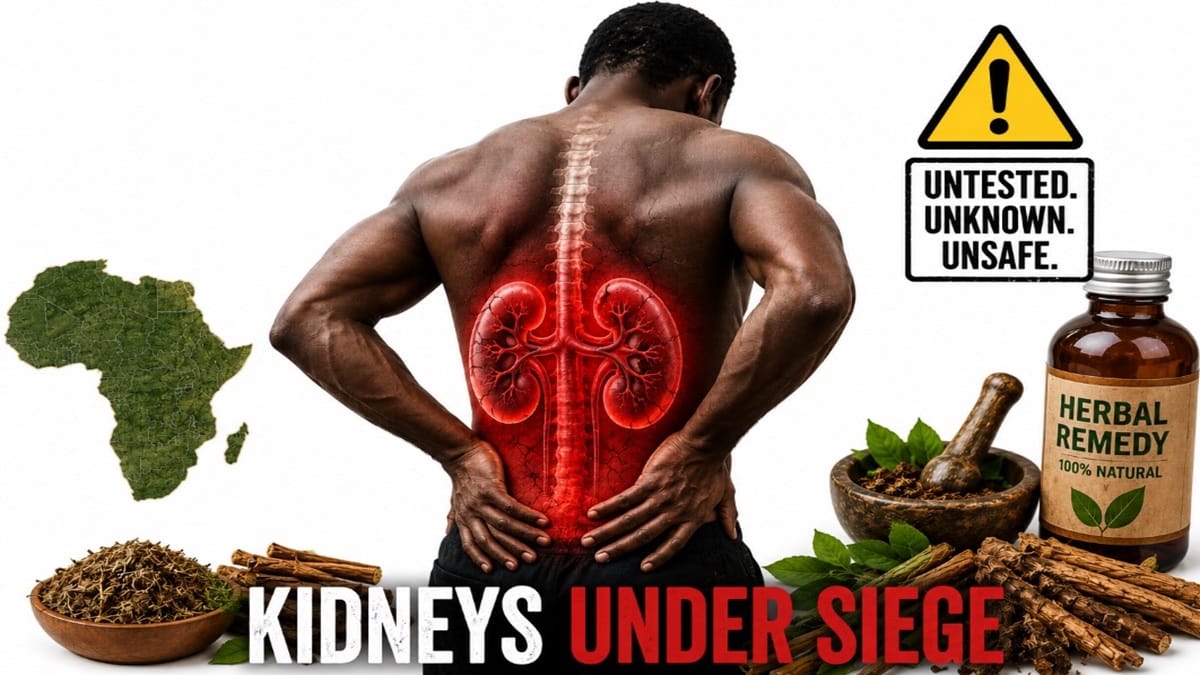
Data from tertiary healthcare facilities such as Korle-Bu and Komfo Anokye Teaching Hospitals indicate that patients sometimes present with advanced organ failure after prolonged use of untested herbal remedies. These products may temporarily alleviate symptoms but do not address the underlying pathology, leading to delayed diagnosis and treatment.
The Regulation Gap
Ghana has robust regulatory frameworks, yet enforcement remains a challenge. The Food and Drugs Authority (FDA) and the Traditional Medicine Practice Council (TMPC) are tasked with ensuring that any herbal product on the market is safe for consumption.
- Act 575 requires all practitioners to be registered and their premises licensed.
- The Public Health Act, 2012 (Act 851) mandates that herbal products undergo rigorous toxicity testing before being sold.
Despite existing regulations, some practitioners continue to sell unlabelled herbal products. These preparations may contain inconsistent concentrations of active ingredients, and in certain cases, have been found to include synthetic substances or heavy metals, which can pose additional health risks.
Proposing a Scientific Bridge
Public health education strategies should emphasize the importance of clinical diagnosis prior to treatment. Rather than discouraging the use of herbal medicine, education efforts should focus on promoting the principle of ‘diagnosis first, treatment second.’
The Solution:
- Clinical First Policy: Patients should be encouraged to seek a laboratory diagnosis or a clinical consult before starting any long-term herbal regimen.
- Verification: Always look for the FDA registration number on any herbal product. If it’s not there, it hasn’t been tested for safety.
- Data Integration: Integrating traditional practitioners into national health reporting systems is essential. Practitioners should be able to explain the rationale for their treatments based on specific diagnoses to ensure patient safety.
Next Week
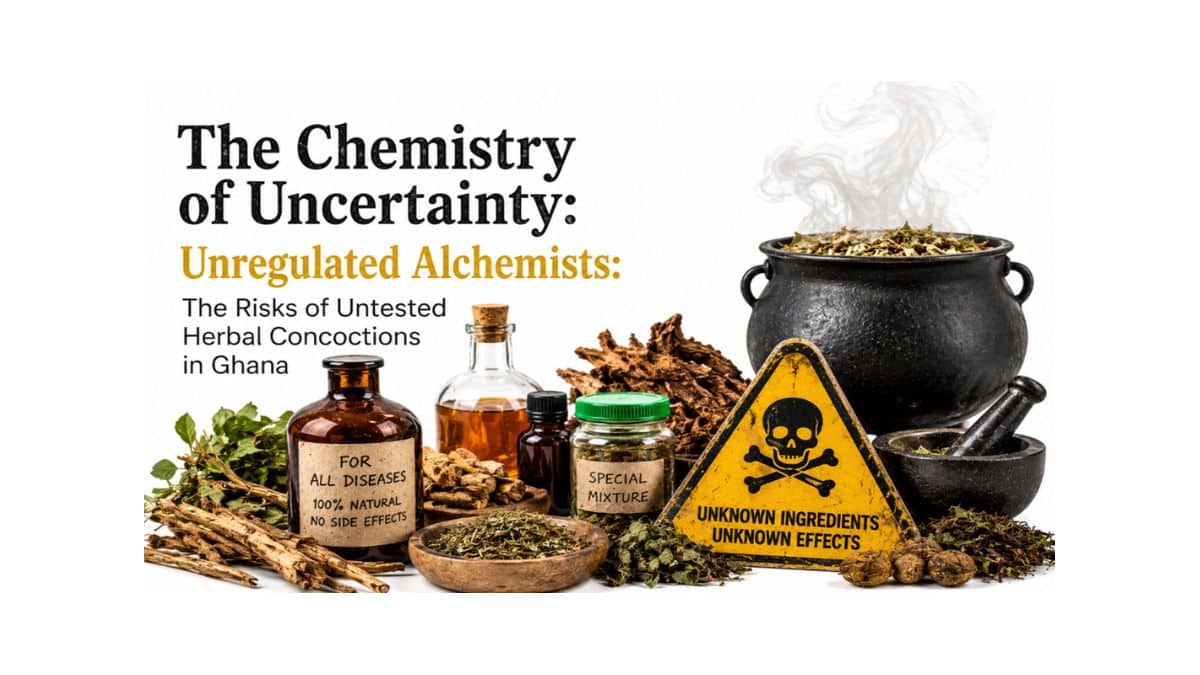
The next section will examine ‘The Chemistry of Uncertainty,’ focusing on the effects of untested herbal preparations on internal organs and the misconception that natural substances are inherently non-toxic.
The author is a Public Health Expert with a Master of Public Health, a Master of Health Informatics, a Master of Business Informatics, and a Doctorate in Data Analytics.