• Twi
  • Français
Ghana Beacon
Friday, September 18, 2026
25 °c
Accra
25 ° Sat
25 ° Sun
25 ° Mon
25 ° Tue
25 ° Wed
No Result
View All Result
  • Home
  • Ghana News
    • Ashanti Region
    • Entertainment
    • Bono and Bono East
    • General News
  • Politics
  • Africa News
  • Business and Economy
  • Technology
    • AI
  • Health
  • Tourism & Investment
    • Festivals
    • Tradition and Culture
  • More
    • Opinions
    • Sports
    • Video
    • Ghana Beacon TV
  • Home
  • Ghana News
    • Ashanti Region
    • Entertainment
    • Bono and Bono East
    • General News
  • Politics
  • Africa News
  • Business and Economy
  • Technology
    • AI
  • Health
  • Tourism & Investment
    • Festivals
    • Tradition and Culture
  • More
    • Opinions
    • Sports
    • Video
    • Ghana Beacon TV
No Result
View All Result
Ghana Beacon
No Result
View All Result
Home Ghana News Health

The Kidneys Under Siege

Nephrology and Native Doctors: The Rising Toll of Herbal-Induced Renal Failure

by Michael Abisa
May 26, 2026
in Health
544
0
The Kidney Under Siege_MAY26
648
SHARES
1.6k
VIEWS
Share on FacebookShare on X/TwitterShare on WhatsappShare on Linkedin

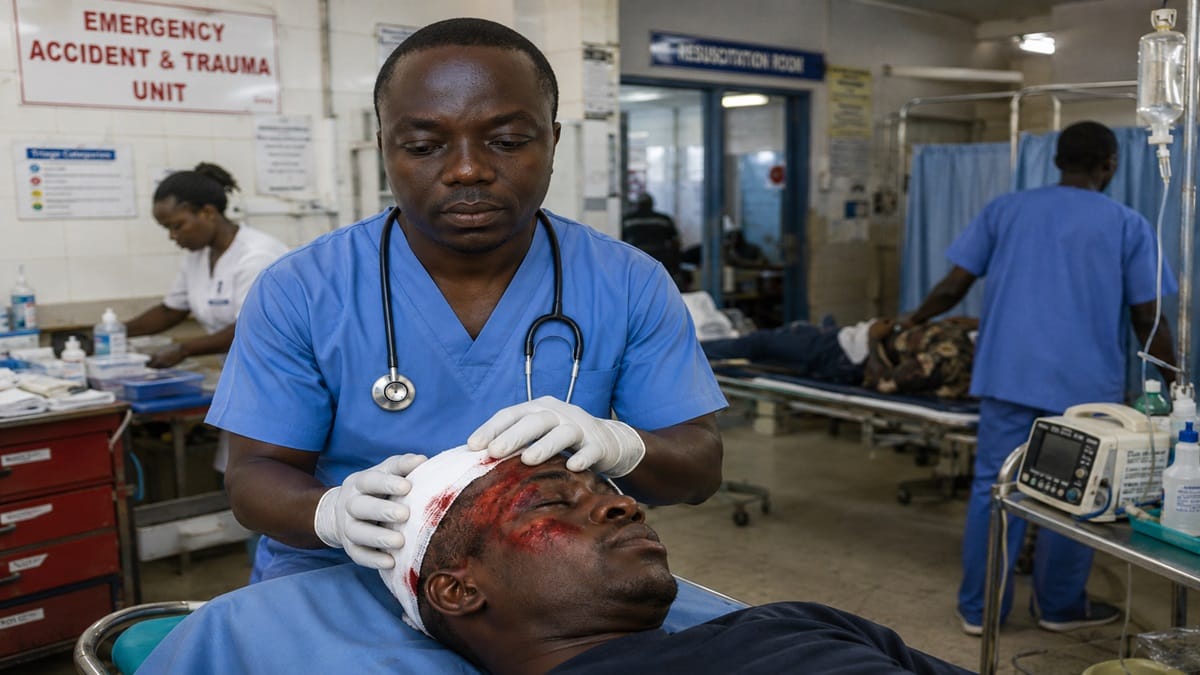
ACCRA, Ghana – Renal units at Ghana’s major teaching hospitals are experiencing significant strain as the number of patients requiring urgent dialysis increases. Facilities such as Korle Bu Teaching Hospital and Komfo Anokye Teaching Hospital report weekly admissions of individuals in need of life-saving treatment. According to the World Kidney Day 2026 Impact Report, kidney disease represents a growing global health concern, currently affecting an estimated 850 million individuals worldwide and contributing to between 5 and 11 million deaths annually. Projections indicate that, if current trends continue, kidney disease could become the fifth leading cause of death globally in the near future.

While common non-communicable diseases like hypertension and diabetes remain the primary drivers of chronic kidney disease (CKD) in the country, public health data highlights an alarming secondary culprit: the consumption of untested, unregulated traditional herbal preparations.

Public health data challenge the common perception that all natural remedies are safe. Analysis of recent trends indicates that the label ‘natural’ does not guarantee safety.

The African Toll: What the Data Shows

The trend observed in Ghana’s wards reflects a broader continental challenge. According to Dr. Elliot K. Tannor, the prevalence of chronic kidney disease in Ghana is roughly 13% of the adult population, which translates to about four million of the over 30 million Ghanaians living with kidney diseases. This national prevalence is heavily tied to hypertension, diabetes, and various environmental factors. More pressingly, epidemiologists and nephrologists across sub-Saharan Africa note that traditional herbal remedies are linked to an estimated 30% to 35% of all documented cases of acute kidney injury (AKI) across the continent. These acute cases are directly attributed to toxic herbal ingestions and backyard remedies. Furthermore, the demographic data show that this crisis peaks among individuals aged 40 to 49, strikingly affecting the economically active younger population.

In contrast to patterns observed in high-income countries, kidney failure in Ghana disproportionately affects younger, economically active individuals. The loss of income from affected individuals can have significant socioeconomic consequences for their families.

The Path from Plant to Poison

The mechanism by which herbal preparations can cause kidney failure involves the kidneys’ filtration function. Human kidneys process approximately 200 quarts of fluid each day to remove waste products from the bloodstream.

Toxic chemical compounds found in unregulated herbal preparations can enter the bloodstream and reach the kidneys, where they may cause damage to renal tissue.

The Dialysis Dilemma

The cost of long-term dialysis for patients with kidney failure resulting from toxic herbal exposures is substantial, often amounting to thousands of Ghana Cedis per month. This expense is not affordable for most citizens. Besides, there are only a few dialysis centers in Ghana, so those in rural areas and regions without them travel long distances for treatment. Transportation costs, coupled with poor road conditions, also prevent people from seeking treatment.

Nephrology departments admit hundreds of end-stage kidney patients each year, placing continuous demand on dialysis centers. A significant proportion of these cases could be prevented by reducing reliance on unverified herbal remedies and favoring evidence-based medical care.

The Public Health Solution

Public health education strategies should focus on implementing practical measures and structural accountability to reduce the risk of kidney disease in Ghana.

  1. Media Accountability: Mainstream media and social media networks must face stricter enforcement regarding the advertising of unverified herbal cures that promise to dissolve “kidney stones” or cure chronic ailments overnight.
  2. Explicit Warning Labels: Registered and unregistered traditional medicines alike need clear labeling protocols detailing risks, similar to the health warnings placed on tobacco or alcohol products.
  3. Mandatory Disclosures: Patients should inform their healthcare providers if they are using herbal preparations. This allows clinicians to monitor kidney function and address potential risks.

Next Week

The next report will address how to identify unlicensed medical practitioners and provide a checklist to help consumers make informed healthcare decisions. “Credentials vs. Charisma: How to Identify Unlicensed Medical Practitioners.”

By Michael Abisa

May 25, 2026

The author is a Public Health Expert with a Master of Public Health, a Master of Health Informatics, and a Doctorate in Data Analytics.

The following report outlines the logistical and financial challenges faced by local teaching hospitals due to the increasing number of end-stage renal cases.

Korle Bu Battles Rising End-Stage Kidney Disease Cases

This broadcast examines the current dialysis crisis at Ghana’s leading healthcare institution and underscores the importance of prevention and effective regulation of herbal medicines.

Share this:

  • Share on X (Opens in new window) X
  • Share on Facebook (Opens in new window) Facebook

Related

Tags: dialysisKomfo Anokye Teaching HospitalKorle Bu Teaching HospitalNative DoctorsnephrologistsNephrologyPublic HealthWorld Kidney Day
Michael Abisa

Michael Abisa

Michael AbisaDr. Michael Abisa is a Senior News Reporter at Ghana Beacon, specializing in politics, Technology, AI, Public Health, governance, tourism, tradition and culture, and economic policy in Ghana and West Africa. With over 10 years of experience in public affairs, he is recognized for accurate, balanced, and insightful reporting on national and regional issues. Michael is skilled at analyzing complex political topics and presenting them clearly to a wide audience. He is dedicated to ethical journalism, thorough fact-checking, and accountability from institutions. His reporting supports informed public discourse and democratic engagement across Ghana and the African continent.Coverage Areas: Technology, AI, Health, Politics, Economy, Governance, Tourism, Tradition & CultureLocation: California, U.S.A.Contact: ghanabeacon1@gmail.com

Related Posts

The Screams the Public Doesn’t Hear
Health

The Screams the Public Doesn’t Hear

by Gabriel Afrane
June 4, 2026
1

The emergency ward at 8:00 PM on a Friday does not smell like medicine. It smells of copper from pooled...

Read moreDetails
Chemistry of Uncertainty

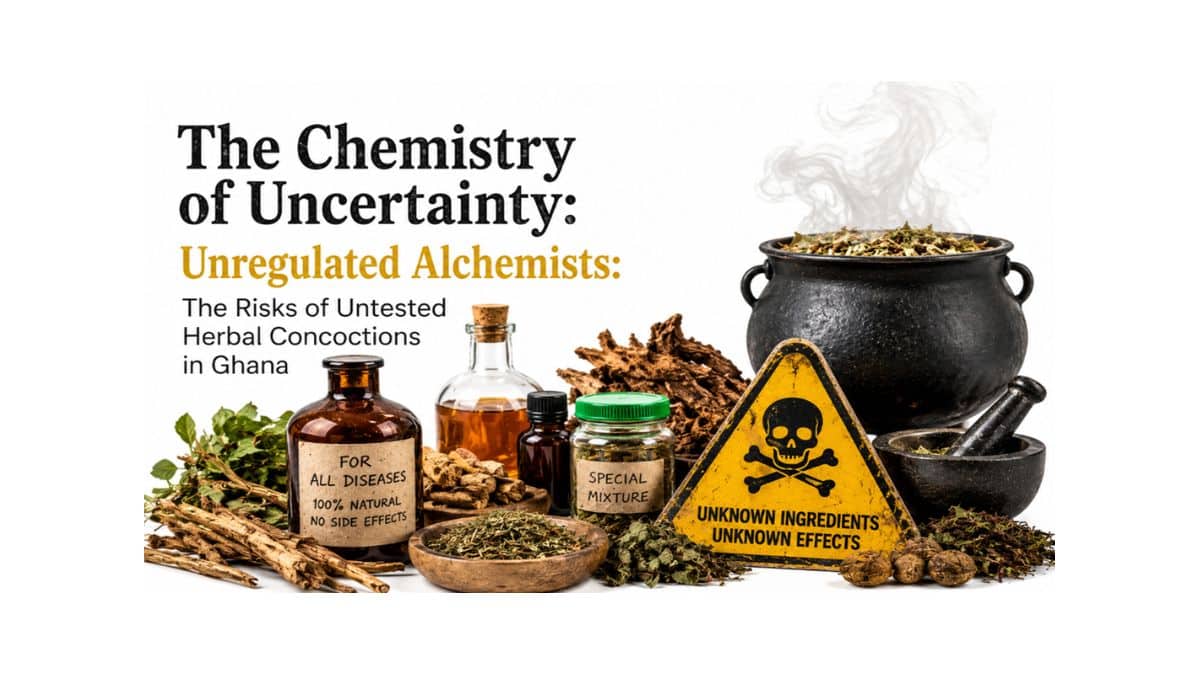
Week 2: The Chemistry of Uncertainty: Unregulated Alchemists: The Risks of Untested Herbal Concoctions

May 19, 2026
herbal medicine

The Danger of the Universal Remedy: Why ‘One Size Fits All’ Fails in Herbal Medicine

May 9, 2026
Next Post
Ousmane Sonko

SENEGAL: Ousted PM Ousmane Sonko Elected Parliament Speaker Amid Deepening Political Rift

Leave a Reply Cancel reply

Your email address will not be published. Required fields are marked *

I agree to the Terms & Conditions and Privacy Policy.

Accra

Accra
September 18, 2026, 7:49 PM
Overcast
Overcast
25°C
Apparent: 29°C
Pressure: 1014 mb
Humidity: 86%
Winds: 4.2 m/s SW
Windgusts: 13.7 m/s
UV-Index: 0
Precip.: 2.5mm /100% / Rain
Sunrise: 5:51 AM
Sunset: 5:58 PM
© 2026 Powered by Open-Meteo
 

Sunyani

Sunyani
September 18, 2026, 7:49 PM

Overcast
24°C
Apparent: 27°C
Pressure: 1014 mb
Humidity: 96%
Winds: 1.8 m/s SSW
Windgusts: 9.1 m/s
UV-Index: 0
Precip.: 7.6mm /84% / Rain
Sunrise: 5:59 AM
Sunset: 6:07 PM
© 2026 Powered by Open-Meteo
Less forecast...
Forecast
September 22, 2026
Day

Moderate drizzle
26°C
Winds: 3.7 m/s SW
Precip.: 5.1mm / 96% / Rain
Windgusts: 8.4 m/s
max. UV index: 7.9
Less forecast...
More forecast...
 

Kumasi

Kumasi
September 18, 2026, 7:49 PM
Overcast
SSW
Overcast
24°C
2 m/s
Apparent: 27°C
Pressure: 1014 mb
Humidity: 95%
Winds: 2 m/s SSW
Windgusts: 9.5 m/s
UV-Index: 0
Precip.: 12.7mm /100% / Rain
Sunrise: 5:56 AM
Sunset: 6:04 PM
© 2026 Powered by Open-Meteo
Less forecast...
Forecast
September 22, 2026
Day
Showers
SSW
Slight rain showers
28°C
Winds: 3.4 m/s SSW
Precip.: 10.2mm / 91% / Rain
Windgusts: 8.6 m/s
max. UV index: 8.35
Less forecast...
More forecast...
 

Tamale

Tamale
September 18, 2026, 7:49 PM
 

SSW
Overcast
25°C
2.5 m/s
Apparent: 30°C
Pressure: 1013 mb
Humidity: 95%
Winds: 2.5 m/s SSW
Windgusts: 7.3 m/s
UV-Index: 0
Precip.: 17.8mm /96% / Rain
Sunrise: 5:53 AM
Sunset: 6:01 PM
© 2026 Powered by Open-Meteo
Less forecast...
Forecast
September 22, 2026
Day
 

SSW
Slight rain showers
29°C
Winds: 4.3 m/s SSW
Precip.: 7.6mm / 83% / Rain
Windgusts: 9.3 m/s
max. UV index: 7
Less forecast...
More forecast...
 

Follow Ghana Beacon

    The Instagram Access Token is expired, Go to the Customizer > JNews : Social, Like & View > Instagram Feed Setting, to refresh it.
Facebook Youtube TikTok

Footer Categories

  • Africa News
  • Business and Economy
  • Ghana News
  • Health
  • Politics
  • Technology
  • Tourism & Investment

Footer Navigation

  • About Ghana Beacon
  • Advertise
  • Careers
  • Contact Us
  • Editorial Policy & Ethics – Ghana Beacon

© 2026 Ghana Beacon. All rights reserved

Welcome Back!

Login to your account below

Forgotten Password? Sign Up

Create New Account!

Fill the forms below to register

*By registering into our website, you agree to the Terms & Conditions and Privacy Policy.
All fields are required. Log In

Retrieve your password

Please enter your username or email address to reset your password.

Log In

Add New Playlist

No Result
View All Result
  • Home
  • Ghana News
    • Ashanti Region
    • Entertainment
    • Bono and Bono East
    • General News
  • Politics
  • Africa News
  • Business and Economy
  • Technology
    • AI
  • Health
  • Tourism & Investment
    • Festivals
    • Tradition and Culture
  • More
    • Opinions
    • Sports
    • Video
    • Ghana Beacon TV

© 2026 Ghana Beacon. All rights reserved

This website uses cookies. By continuing to use this website you are giving consent to cookies being used. Visit our Privacy and Cookie Policy.