


Nestled in the lush heart of Ghana’s Bono Region, the vibrant town of Suma-Ahenkro transforms every year into a theater of history, color, and ambition. The Akwantu Kese Festival, literally “The Great Migration,” is more than a look back at the past; it is a dynamic convergence of heritage, unity, and a bold vision for the future.
Whether you are a traveler seeking authentic African immersion or an investor looking for the continent’s next untapped frontier, Suma-Ahenkro offers a story worth joining.
The Soul of the Journey: A Legacy of Resilience
The Akwantu Kese Festival commemorates the historic migration of the Suma people, tracing their ancestral roots to Akwamu around 1650. Led by Paramount Chief Odeneho Dr. Affram Brempong III, and the Paramount Queen, Odiakotene Akwama Toprefo, the festival honors ancestors who navigated the unknown to establish a home in the Jaman North District. This is not just history; it is identity. Through storytelling and symbolic reenactments, the festival strengthens intergenerational bonds, ensuring the resilience of the Aduana Clan remains a guiding light for the modern era.

A Sensory Masterclass: Festival Highlights
For one week, the streets of Suma-Ahenkro pulse with the rhythmic heartbeat of the Bono people. Visitors can expect:
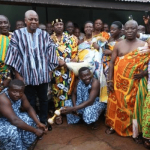
- The Grand Durbar of Chiefs: A breathtaking assembly of traditional leaders draped in majestic Kente, symbolizing centuries of authority and cultural pride.
- Rhythms of the Heritage: Energetic performances by cultural troupes, where the sounds of talking drums and traditional flutes narrate tales of victory.
- The Food Bazaar: A culinary journey through local Bono flavors, showcasing the agricultural richness of the region.
- The Aduana Connection: A unique gathering of royals and dignitaries from across Ghana and neighboring Côte d’Ivoire, highlighting the deep-rooted cross-border ties of the clan.
Where Tradition Meets Transformation
Beyond its vibrant pageantry, the Akwantu Kese Festival serves as an effective economic and social development framework, led by the Suma Traditional Council to turn cultural celebration into measurable progress. Its key distinction is the intentional alignment of heritage with development priorities.
The festival is more than ceremonial; it serves as a strategic platform for chiefs, development partners, diaspora communities, and government stakeholders to mobilize resources. Funds raised are transparently directed to essential community needs, including school infrastructure, healthcare, road improvements, and youth empowerment. This approach ensures culture actively drives socioeconomic progress.
The statement that “the festival is a homecoming, but it is also a catalyst for progress across our 38 towns and villages” reflects its dual role. It reconnects Suma people, both local and diaspora, to their roots while serving as a decentralized development engine. This ensures benefits reach all communities, making each town a stakeholder in progress and promoting unity and inclusive growth.
The influx of visitors during Akwantu Kese highlights an underdeveloped yet promising market, often described by investors as a “blue ocean,” where competition is limited and demand is increasing.
Sustainable Tourism
Suma-Ahenkro is well positioned as a niche destination for cultural and eco-tourism. Investors can meet the rising global demand for authentic African experiences by developing boutique eco-lodges, mid-range hotels, and curated tour services. With growing interest in heritage tourism, especially after initiatives like the Year of Return, now is an ideal time for long-term hospitality investments.
Agribusiness & Value Addition
Located in Ghana’s fertile Bono Region, Suma produces strong agricultural outputs, especially cocoa and cashew. However, much of the value chain is still untapped locally. Investment in processing, packaging, and export partnerships can increase profit margins and create jobs, supporting Ghana’s industrialization agenda and programs such as One District One Factory.
The Creative Economy
Suma-Ahenkro’s artisans create culturally rich goods, from handcrafted beads to traditional textiles, that appeal to international markets. With effective branding, digital marketing, and export channels, these products can become globally recognized cultural brands. Investors and development partners can support growth through training, e-commerce integration, and fair-trade certification.
Plan Your Visit: A Global Destination in the Making
As Ghana grows as a global tourism hub, Suma-Ahenkro offers a rare experience: authenticity without commercialization.
- For Tourists:
Akwantu Kese offers a unique view into deeply rooted traditions, from ancestral rituals to royal durbars. Unlike commercialized festivals, visitors experience culture in its most genuine form. - For Investors:
The area offers high potential with low competition. Early entrants can secure strong positions in hospitality, agriculture, and creative industries while benefiting from increasing visitor numbers. - For Development Partners:
There is a clear opportunity to support skills development, especially for youth. Programs in modern agriculture, agro-processing, craftsmanship, and small-scale manufacturing can deliver both social impact and economic returns.
Experience the Great Migration
At its core, Akwantu Kese is a story of movement, with people honoring their origins while shaping their future. It serves as both a cultural pilgrimage and a forward-looking development model.
Suma-Ahenkro invites the world to witness this unique intersection of heritage and progress. Here, tradition is not static; it is a living force that drives investment, community resilience, and opportunity.






Nice!