The Apoo Festival, held annually in Techiman (historically Takyiman), is one of Ghana’s most significant and transformative cultural events. Rooted in Bono traditions, the festival combines heritage, governance, social accountability, and communal unity, making it a strong platform for tourism development and investment in the Bono East Region.
Historical Origins and Cultural Significance
The Apoo Festival began during the reign of Nana Kwakye Ameyaw, when citizens could not openly express concerns about leadership. Spiritual consultation led to the creation of a period when grievances could be voiced without fear of punishment, establishing the festival as a symbol of freedom and truth.
The term “Apoo” comes from the Akan word “po,” meaning “to reject,” and represents the rejection of injustice, wrongdoing, and societal ills.
Today, the festival plays several critical roles:
- Promoting social purification and moral renewal
- Encouraging accountability and transparent leadership
- Facilitating conflict resolution within communities
- Preserving and showcasing Bono cultural heritage
Leadership and Key Personalities
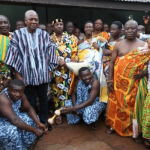
Respected traditional authorities lead the Apoo Festival, with support from community and government stakeholders. Key figures include:
- Oseadeeyo Akumfi Ameyaw IV, Paramount Chief (Omanhene) of the Techiman Traditional Area
- Osagyefo Ampem Anye Amoampong Tabrako III, Paramount Chief of the Wenchi Traditional Area
- Sub-chiefs and elders who oversee traditional governance and festival organization
- Spiritual leaders, including priests and priestesses, who conduct purification rites
- Traditional council members such as Nana Poku Gyeabour (Manwerehene)
- Government representatives and policymakers who engage communities on development initiatives
Collaboration between traditional leadership and modern governance strengthens the festival’s socio-political relevance and developmental impact.
Festival Activities and Unique Traditions
The Apoo Festival features vibrant and symbolic activities that attract local and international audiences:
Ritual Purification
Communities conduct cleaning exercises, and spiritual leaders perform rituals to cleanse the environment of negative influences.
Hyereko (White Clay Collection)
White clay is collected from sacred rivers and used to decorate shrines and participants, symbolizing purity and renewal.
Asaahwie (Traditional Tug of War)
Asaahwie is a lively traditional tug-of-war game that brings the community together for both fun and unity. In the past, it also helped identify strong and resilient people who could be counted on during conflicts. Today, Asaahwie continues to build teamwork, strengthen community bonds, and celebrate Bono heritage.
Spiritual Preparation and Herbal Rituals
One important spiritual part of the festival is making a sacred herbal mixture from 77 chosen herbs. This ritual takes place at the palace of the Adontenhene, the traditional war leader, and has its roots in the community’s old defense practices. Young men would bathe in this herbal mix to show their courage and readiness. Today, the ritual is mostly symbolic, standing for protection, resilience, and keeping cultural traditions alive.
Nnusin-tuo (Spiritual Cleansing and Removal of Charms)
Nnusin-tuo is a spiritual cleansing ritual led by high priests and priestesses before the festival begins. They walk through the main streets, performing ceremonies to remove harmful charms or negative spiritual influences from the community. This ritual highlights the festival’s main goal of purification, helping everyone start the new season free from bad influences and with a sense of harmony and well-being
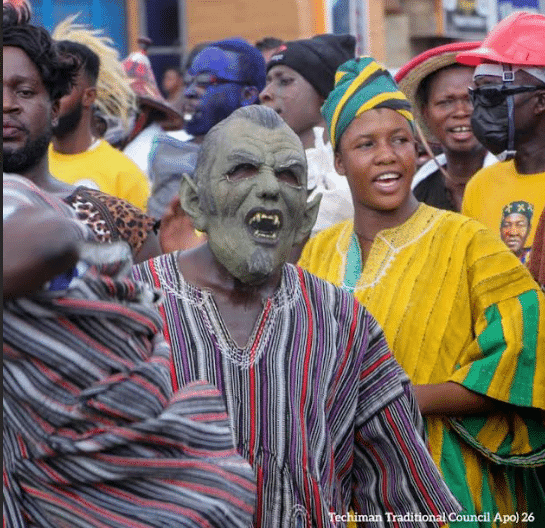
The Apoo Procession
A lively procession, led by the Paramount Chief, includes:
- Traditional drumming and dancing
- Satirical songs and symbolic expressions addressing societal issues
- Public airing of grievances to promote accountability


Libation and Ancestral Reverence
Chiefs and elders perform libation rites to honor ancestors and seek blessings for prosperity and peace.
Grand Durbar of Chiefs
The festival culminates in a durbar that brings together chiefs, dignitaries, investors, and tourists, creating a platform for cultural celebration and economic dialogue.
Tourism Potential
The Apoo Festival offers a rich cultural experience, making it a strong attraction for global tourism. Key highlights include:
- Authentic African cultural heritage and traditions
- Colorful attire, music, and performances
- Strong diaspora participation and community engagement
- Proximity to major attractions such as Kintampo Waterfalls and Boabeng-Fiema Monkey Sanctuary
For international visitors, the festival offers a unique opportunity to experience a living tradition that combines cultural celebration with civic engagement.
Investment Opportunities
In addition to its cultural significance, the Apoo Festival is a catalyst for economic growth and investment. Key opportunities include:
- Development of hospitality infrastructure (hotels, resorts, transport services)
- Expansion of creative industries (fashion, crafts, music, media)
- Growth in agribusiness and local trade is driven by increased visitor activity.
- Public-private partnerships in community and regional development
Traditional leaders consistently emphasize the festival’s role in boosting socio-economic activity and fostering sustainable development in the region.
Global Relevance
The Apoo Festival stands out globally for its unique integration of:
- Cultural celebration
- Civic accountability
- Conflict resolution
- Economic mobilization
It is a compelling model for how tradition can drive modern development while preserving cultural identity.
Take Home
The Apoo Festival in Bono is more than a cultural celebration; it is a strategic asset for tourism, governance, and investment in Ghana. With strong traditional leadership, vibrant cultural expressions, and growing global recognition, the festival offers significant opportunities for investors, policymakers, and cultural enthusiasts.
Positioning the Apoo Festival on the global tourism stage will help preserve Bono heritage and unlock sustainable economic growth for the Bono East Region and Ghana as a whole.