


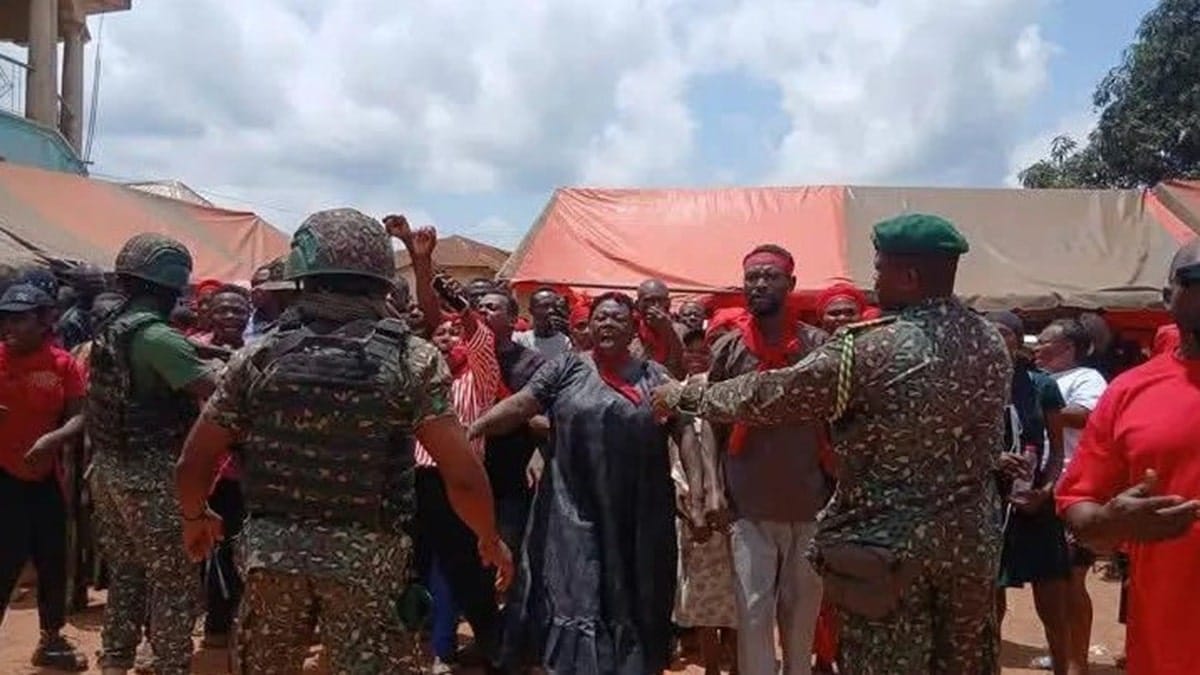
Chiefs and residents of the Atuna Traditional Area in Ghana’s Bono Region, Jaman South District, have reiterated their opposition to illegal mining, known locally as galamsey. This position has been restated as discussions continue regarding potential mining activities within the area’s traditional boundaries.
Some residents have organized demonstrations and awareness campaigns to protect farmlands, river bodies, and the local ecosystem from the environmental impacts of unregulated mining. Community members cite environmental preservation as essential for maintaining livelihoods, food security, and the sustainability of future generations.
Clarifying the Proposed Framework
Traditional leaders and community representatives state that current discussions exclude illegal mining practices. According to local authorities, ongoing engagements with Gold Board officials focus on the potential introduction of a regulated form of alluvial mining subject to strict environmental oversight.
Community leaders indicate that the proposed framework differs from galamsey operations, which have resulted in environmental degradation in various regions of Ghana. The proposed alluvial mining approach would require temporary removal and systematic preservation of topsoil prior to extraction.
Post-Mining Rehabilitation and Agriculture
Under the proposed guidelines, preserved topsoil would be restored following the completion of mining activities. This process is intended to facilitate the rehabilitation of land for agricultural purposes.
Residents state that reclamation would support the replanting of food crops, cash crops, and economically valuable trees such as rubber. The framework is designed to maintain agricultural productivity and protect farmers’ livelihoods.
“Unity, transparency, and open dialogue are critical to protecting the environment while also exploring lawful economic opportunities that could benefit the community.” — Atuna Traditional Authority Representatives.
The Destructive Nature of Speculative Mining
Observers of Ghana’s mining sector note that galamsey is characterized by speculative practices, with operators excavating multiple locations without detailed geological assessments. This approach has contributed to land degradation, deforestation, and pollution of water bodies in affected areas. Leaders in Atuna have stated their intention to prevent such outcomes within their jurisdiction.
Community sources report that Gold Board representatives have conducted preliminary consultations with the local chief and elders. Subsequent discussions have included a range of community stakeholders to incorporate local perspectives prior to any final decisions.
Looking Ahead: Ongoing Consultations
Traditional authorities report that consultations are ongoing as parties seek to establish a framework that is legally compliant and environmentally sustainable. Mining operations will not proceed until these standards are finalized.
Community leaders have requested that residents remain calm, refrain from spreading misinformation, and allow the consultation process to continue without disruption.
The position adopted by the Atuna Traditional Area aligns with national concerns regarding the environmental and social impacts of galamsey in Ghana. Illegal mining continues to pose risks to water basins, agricultural land, and rural economies, leading to calls for improved natural resource management and enforcement of environmental protections.
By Ghana Beacon Editorial Team
Published: May 18, 2026
Location: Accra, Ghana


