By Ghana Beacon Editorial Team
Published: April 26, 2026
Location: Sunyani, Ghana
Sunyani, Ghana — Health experts in Ghana are raising concerns over a surge in misinformation circulating across digital platforms, warning that inaccurate health claims are increasingly influencing public behavior and decision-making.
Medical professionals and public health advocates report that false information, including unverified “miracle cures” and misleading vaccine narratives, has contributed to delayed treatment, confusion, and, in some cases, adverse health outcomes within communities.
Digital Platforms Under Scrutiny
The rapid expansion of health-related content on social media and messaging platforms has improved access to information. However, experts caution that this growth has also increased exposure to unverified and potentially harmful claims.
According to practitioners, misinformation can:
- Undermine trust in medical professionals.
- Discourage individuals from seeking timely care.
- Promote unsafe or ineffective remedies.
Health analysts note that the rapid dissemination of unverified content makes it increasingly difficult to correct misinformation once it becomes widespread.
Community Education as a Response
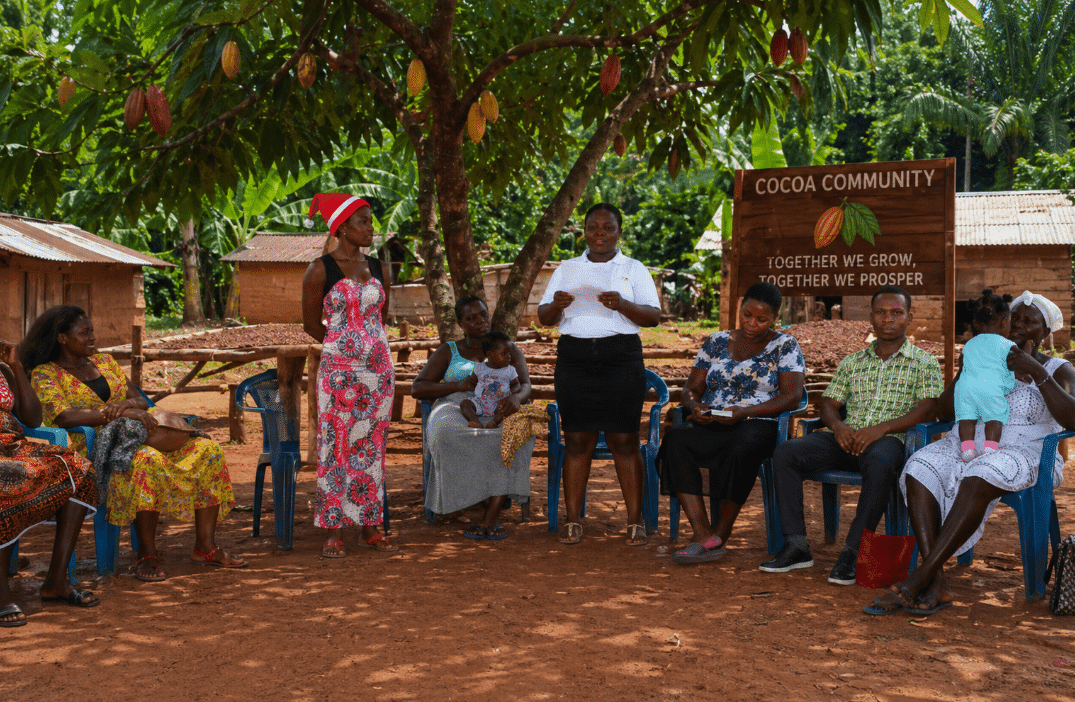
In response, authorities and health organizations are intensifying community-based education initiatives to counter false narratives. These efforts prioritize direct engagement and the dissemination of verified information through the following channels:
- Local health workers and trained volunteers
- Community forums and outreach programs
- School-based education initiatives
Experts emphasize that face-to-face interaction remains among the most effective ways to build trust and address misconceptions at the grassroots level.
Role of Media and Fact-Checking
Media organizations are being urged to strengthen verification standards when reporting on health-related issues. Analysts assert that responsible journalism plays a critical role in limiting the spread of harmful misinformation. Public health officials stress that credible sources, such as licensed medical professionals and recognized institutions, should remain central to health communication.
Public Awareness and Responsibility
Experts highlight that individuals play a key role in curbing misinformation. They recommend the following actions:
- Cross-checking health claims with reliable sources
- Avoiding the spread of unverified messages
- Seeking guidance from qualified health professionals
Mr. Mark Abisah, a public health expert based in Sunyani in Ghana’s Bono Region, warned of the broader implications of misinformation, stating:
“NO one is safe, not even the perpetrators of these false claims and their allies. The consequences are overt.”

Outlook
Health authorities state that addressing misinformation will require sustained collaboration among government agencies, healthcare providers, media organizations, and local communities. They emphasize that improving public trust and access to accurate information is essential for protecting health outcomes nationwide.