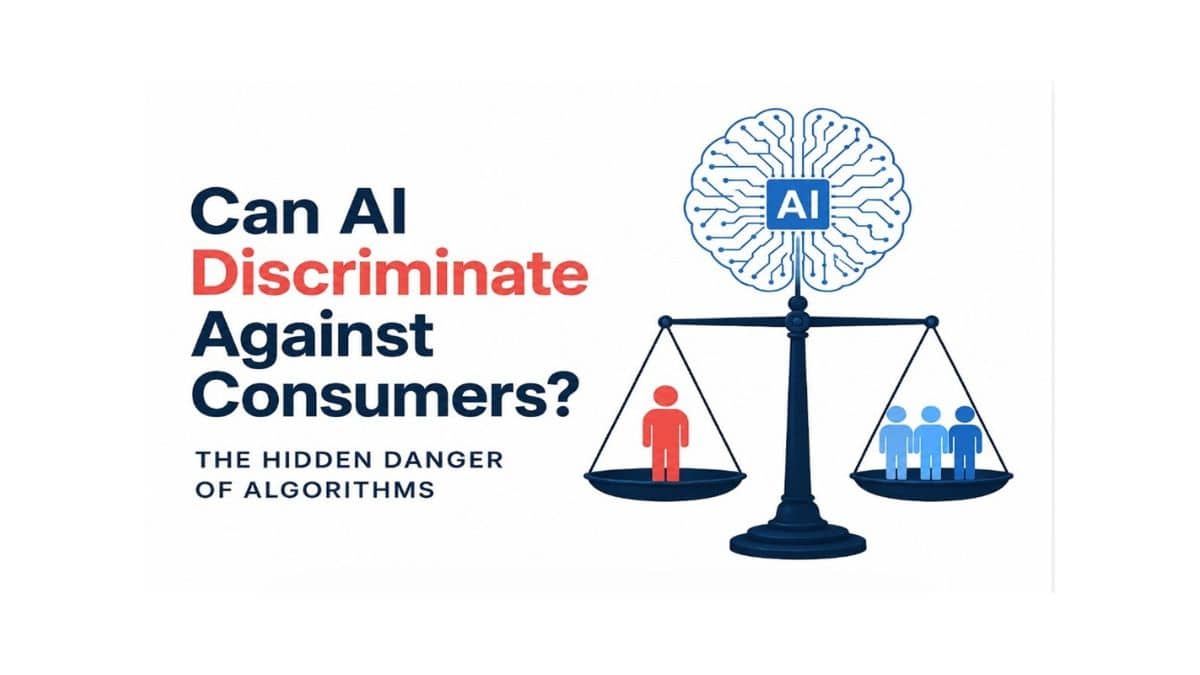
Artificial intelligence is now making decisions about loans, employment, and law enforcement. As these systems expand across critical industries, experts and regulators warn of a growing crisis: algorithmic bias.
A key concern is that AI systems are not neutral. Models trained on historical data can perpetuate existing social biases, racial disparities, and economic inequalities.
Where AI Bias Hits Hardest
Algorithmic bias affects many sectors and is especially relevant for emerging markets like Ghana and the wider African continent.
1. Digital Lending & Banking
Fintech applications across Africa use AI to assess creditworthiness based on alternative data such as mobile money transactions, smartphone usage, and location information.
- Where formal credit histories are limited, these opaque systems may deny loans to vulnerable populations without clear explanations. Some applicants are assessed mainly on location or income.
2. Recruitment & Hiring
Employers use automated tools to screen resumes, rank applicants, and analyze candidate characteristics during virtual interviews, including facial expressions and speech patterns.
- Some technology companies have discontinued experimental hiring algorithms after finding these tools favored male applicants, due to training data reflecting previous male-dominated hiring patterns.
3. Predictive Policing & Surveillance
Law enforcement agencies use AI to predict potential crime locations by analyzing historical crime data and surveillance footage.
- Critics note that flawed predictive data can lead to disproportionate targeting of marginalized communities, reinforcing profiling and over-policing in certain neighborhoods.
4. Insurance & Risk Profiling
Insurers use AI to monitor health behaviors, driving patterns, and consumer habits to calculate premiums. Ethics experts warn this profiling may lead to discriminatory pricing and exclusion of high-risk, low-income individuals.
5. Education & Admissions
Universities using AI for admissions may unintentionally disadvantage students from underserved communities if algorithms rely mainly on historical socioeconomic data or metrics from under-resourced schools.
Why Algorithms Discriminate
Technology policy analysts note that algorithmic bias is usually unintentional and often results from several structural factors:
- Flawed Data: Training models on unrepresentative or historically skewed datasets.
- A lack of diversity among software engineers and data scientists developing these systems.
- Highly complex, non-transparent systems make it difficult for consumers to understand the basis for automated decisions.
- Regulatory frameworks have not kept pace with the rapid adoption of new technologies.
The African Context: Shaping Local Guardrails
As Ghana advances its digital transformation in sectors like e-commerce, telecommunications, and financial services, policy analysts stress the need to adapt imported AI technologies to local languages, social structures, and cultural contexts. This is necessary to prevent automated discrimination.
Experts note that well-designed AI can reduce human bias. Achieving digital safety requires independent algorithmic audits, diverse datasets, transparent consumer rights, and strong legal safeguards. In Ghana, policymakers are quickly moving from technological innovation to human rights by drafting frameworks that guarantee citizens the right to challenge automated decisions and request human review.
By Michael Abisa
May 19, 2026
About the Author
Dr. Michael Abisa is an expert and leader in Data Science and AI Management. This 10-Week series in the Ghana Beacon aims to equip Ghanaians with the knowledge needed to navigate a technology-driven future.
Coming Next Week:
The Business of Surveillance – How Companies Monetize Consumer Data