By Ghana Beacon News Desk
Published: April 27, 2026
Location: Suma, Bono Region, Ghana
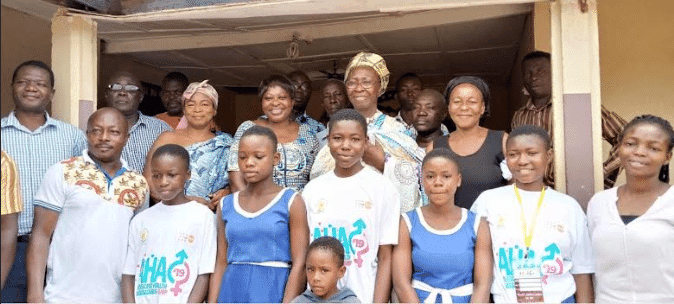
The Paramount Queen Mother of the Suma Traditional Area, Nana Odiakotene Akwama Toprefo, has called for greater efforts to empower girls and young women through education and vocational training, highlighting its importance for community development and economic independence.
In an interview with Ghana Beacon, the Queen Mother emphasized the urgent need to equip girls with practical skills for sustainable livelihoods. She noted that while formal education is essential, vocational training provides a direct route to employment and self-reliance.
“We must ensure that our girls are not left behind. Skills such as sewing, baking, hairdressing, and catering can provide them with meaningful employment and financial independence,” she said.
A Call for Collective Action
Nana Odiakotene Akwama Toprefo called on traditional authorities, business leaders, political stakeholders, and non-governmental organizations to work together to establish trade schools in the Suma Traditional Area. She stated that these partnerships are essential for creating structured opportunities for young women without access to higher education.
She added that community-based vocational centers could serve as hubs for talent development, reducing unemployment and social vulnerability among girls.
Bridging the Opportunity Gap
Education advocates in the Bono Region have emphasized the need to bridge the gap between academic learning and employable skills. In rural communities such as Suma, limited resources restrict opportunities for young women, making vocational training essential.
The Queen Mother emphasized that empowering girls not only benefits individuals but also strengthens families and supports broader socio-economic growth.
Strengthening the Future
Her appeal aligns with national discussions in Ghana on youth empowerment and skills development as drivers of economic transformation. Stakeholders note that combining education with practical training is key to preparing the next generation for a changing job market.
As calls for action grow louder, community leaders and development partners are urged to make concrete investments that will create a more inclusive and resilient future for girls and young women in the Suma Traditional Area.