Michael Abisa
Published: May 4, 2026
Environmental degradation and public health challenges continue to affect communities across Ghana. Within this context, traditional leadership plays a significant role. Osagyefo Oseadeeyo Agyeman Badu II has demonstrated sustained commitment to environmental protection and community health, providing a model that has attracted national attention.
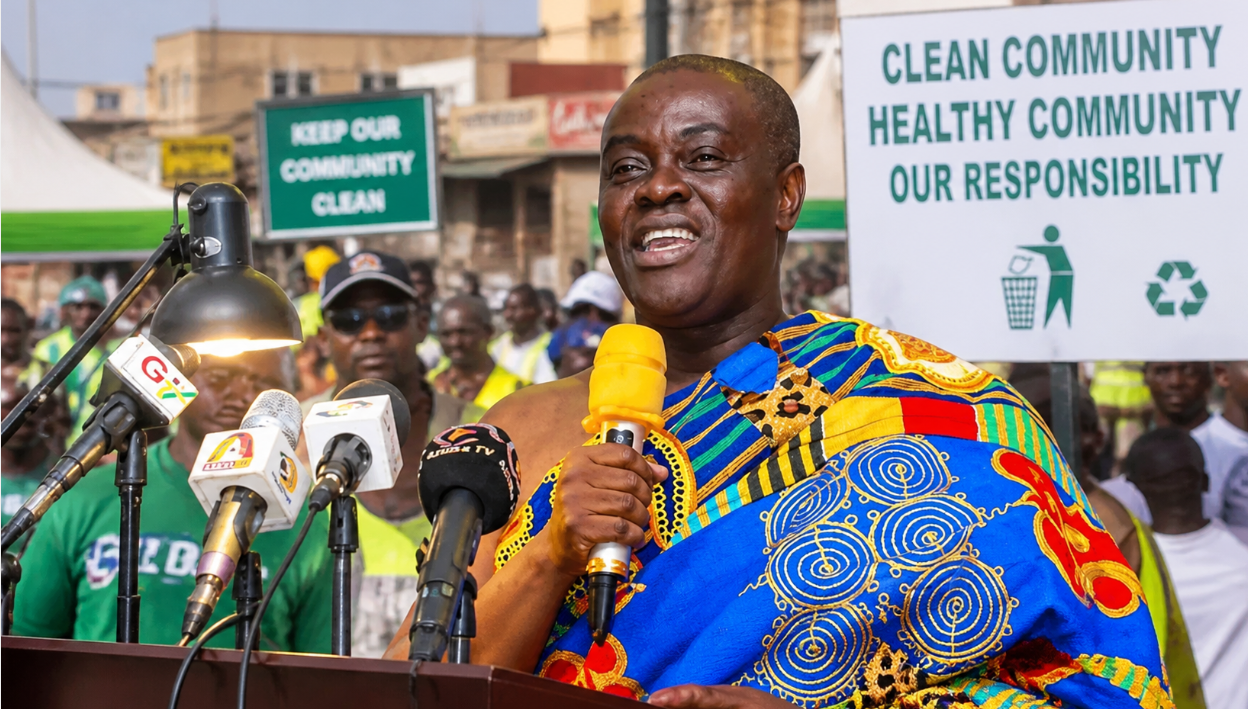
Osagyefo Oseadeeyo Agyeman Badu II, as a custodian of culture, land, and communal values, has engaged directly in organizing community clean-up exercises within and beyond his traditional jurisdiction. These initiatives have contributed to improved sanitation, reduced disease risks, and increased civic responsibility.
At a time when Ghana continues to grapple with sanitation-related health issues, including preventable diseases linked to poor waste management, such grassroots leadership is essential. Clean environments are foundational to public health. By mobilizing communities to participate in regular clean-up exercises, the Dormaa Paramount Chief is reinforcing a simple but powerful truth: community health begins with community action.
He has also supported youth-led initiatives focused on environmental cleanliness. By involving youth groups in structured environmental programs, Osagyefo Oseadeeyo Agyeman Badu II addresses immediate sanitation concerns and helps build awareness of sustainability and public responsibility among younger generations.
This approach has produced measurable improvements in community sanitation and engagement.
Traditional leaders in Ghana occupy a unique and influential position. As custodians of land, they oversee transactions that generate significant revenue through land sales and leases. When strategically reinvested, these resources can transform communities—funding sanitation infrastructure, waste management systems, public health campaigns, and community safety initiatives.
The question, therefore, is not whether the capacity of traditional authorities to drive development is established. The extent to which community health and environmental stewardship are prioritized remains a key consideration.
Revenue generated from land sales can serve as more than administrative or traditional income. Allocating a portion of these funds to community cleanliness and public health initiatives represents a strategic investment in long-term community wellbeing and productivity.
Clean communities attract investment. Healthy populations drive economic growth. Safe environments enhance quality of life. These are outcomes that align directly with the long-term interests of traditional areas.
The initiatives led by Osagyefo Oseadeeyo Agyeman Badu II illustrate how traditional authority can align with modern development priorities. This approach integrates cultural values with practical governance strategies.
Similar initiatives have the potential to be adopted by other traditional leaders across Ghana.
By organizing regular clean-up campaigns, supporting youth-led environmental groups, and allocating resources from land revenues toward sanitation and public health, chiefs and traditional councils can play a transformative role in national development. Collaboration with local governments, health agencies, and private sector partners can further amplify these efforts.
Ghana’s development agenda cannot rely solely on central government interventions. It requires localized, community-driven leadership—leadership that understands the unique needs of its people and takes responsibility for addressing them.
In this regard, traditional authorities remain one of the country’s most powerful. Prioritizing cleanliness, public health, and leadership by example remains central to sustainable community development. Public. The actions of Osagyefo Oseadeeyo Agyeman Badu II provide a reference point for what can be achieved through traditional leadership in environmental and public health initiatives.